
-
Join 1,880 other subscribers
- Follow christiane on WordPress.com
twitter
Tweets by ctyogainstagram
No Instagram images were found.
looking for something? :)
February 2026 M T W T F S S 1 2 3 4 5 6 7 8 9 10 11 12 13 14 15 16 17 18 19 20 21 22 23 24 25 26 27 28
A Yogi’s Healthy Diet Guide According to Ayurvedic Principles
I came across this interesting article on Elephant Journal A Yogi’s Healthy Diet Guide According to Ayurvedic Principles by Yara Coelho and i wanted to share with you:
Ayurveda, the traditional medicine of India, is the ancient mother of natural and holistic medicines.
The depth of this medicine goes beyond diagnostic, treatment, and prognostic. Ayurveda includes all aspects of human nature: physical, emotional, and spiritual well-being. Ayurvedic medicine is not concerned with treating syndromes and illnesses alone, but guides people into healthy lifestyles.
Nutrition is one of the most important aspects of balanced health for Ayurveda. It categorizes people into three main types, or Doshas: Vata (air), Pitta (fire), and Kapha (earth), offering very personalized guidelines for each individual.
Vata
Vatas are usually thin, light-framed, and very agile. Their energy levels vary a lot, from moments of excitement and enthusiasm to tiredness and fatigue. Vatas usually feel colder than the other doshas, with cold hands and feet and dry skin and hair. They have light sleep and need to rest to recover energy. When vata is out of balance it can be manifested in weight loss, weakness, restlessness, and digestive problems. Vatas love new experiences, excitement, and stimulation. Vatas are usually very flexible and highly adaptable to new situations. They love to meet people and engage in deep conversations.Pitta
They love intellectual challenges. They are very outspoken, and they have no problems having high profile jobs or managing other people. When Pitta is out of balance, it can manifest as being irritated easily, intolerance to heat and summer time, and preferring cool climates and foods. Pittas may get rashes easily, experience burning sensations, heartburn or other symptoms related to excessive heat.Kapha
Kaphas tend to live sedentary lives based on routine. They’re happy with a few close friends and feel extremely uncomfortable to be the center of attention, which rarely happens. They’re very loyal, loving, and caring. Kaphas have a tendency to attachment; they can get stuck carrying on empty relationships and negative emotions, like resentments, that no longer serve them. They can suffer from constipation, tumors, fluid retention, allergies, depression, and being overweight.A Note About the Doshas
Yoga will naturally balance the doshas of each individual. Aligning asana, pranayama, and nutrition is the base for a healthy long life without manifestations of dis-ease.The Vata Diet
Cooked vegetables are best. Raw vegetables should be minimized. Asparagus, beets, squash, and carrots are highly recommended. Other vegetables may be taken in moderation if cooked in extra virgin olive oil, including peas, broccoli, cauliflower, zucchini, and sweet potatoes. Sweet, heavy fruits such as bananas, avocados, mangoes, apricots, plums, berries, coconut, figs, grapefruit, orange, lemon, melons, papaya, peaches, pineapples, rhubarb, kiwi, dates, nectarines and dried fruits are acceptable. Rice is an excellent cereal for Vatas. Nuts are always welcome, as well as warming spices such as cardamom, cumin, ginger, cinnamon, salt, cloves, mustard seed, basil, cilantro, fennel, oregano, sage, tarragon, thyme, and black pepper.The Pitta Diet
Sweeter fruits, such as grapes, melons, cherries, coconuts, avocados, mangoes, pomegranates, fully ripe pineapples, oranges, and plums are recommended. Reduce sour fruits, such as grapefruits, apricots, and berries. The most recommended vegetables are asparagus, cucumbers, potatoes, sweet potatoes, green leafy vegetables, pumpkins, broccoli, cauliflower, celery okra, lettuce, green beans, and zucchini. Reduce tomatoes, hot peppers, carrots, beets, eggplant, onions, garlic, radishes, and spinach.The Kapha Diet
The best fruits are light and warming, such as apples, pears, pomegranates, cranberries, and apricots. Fruits like bananas, avocados, pineapples, oranges, peaches, coconuts, melons, dates, and figs should be avoided as they’re heavier and take longer to digest. All vegetables are suitable for Kaphas, but reducing sweet and juicy vegetables such as sweet potatoes, tomatoes, and zucchini is beneficial. Kaphas benefit from fasting and juicing as a way to detox and alleviate their digestive system and lose weight.The Sattvic Diet
In current times, maintaining a Sattvic diet can be a daily struggle, even for the most determined yogis, since most of our foods have been modified, processed, sprayed with pesticides, herbicides, refined, and depleted of most of their natural life force. Eating simple organic vegetarian meals, respecting the current season, and preferring local foods are very important to harmonize our bodies with the seasons and external factors. Remember that you are what you eat, so try to be the best you can!
Posted in ayurveda, nutrition
Tagged air, ayurveda, Ayurvedic medicine, balance, digestive system, dosha's, earth, fire, india, kapha, kapha diet, Kapha Diet Kaphas, nutrition, pitta, pitta diet, Pitta Diet Pittas, prana, sattvic diet, traditional medicine, vata, vata diet, Vata Diet Vatas, yara coelho, yogi's diet
Leave a comment
Lino Miele Returns to Milan
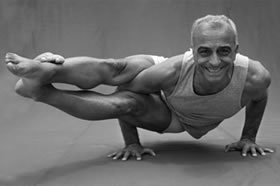
_MYSORE STYLE_
WEDNESDAY 19 THURSDAY 20 & FRIDAY 21: 7.00AM
SATURDAY 22 & SUNDAY 23: 7AM FIRST GROUP, 8.30AM SECOND GROUP
(the MYSORE style classes are open to anyone that knows the sequence, regardless of experience). _LED CLASS for beginners_
FRIDAY 21 6:00PM SATURDAY 22 & SUNDAY 23: 10.00AM
Here’s a look at the workshop on a day-by-day basis:
Wednesday 19:(the MYSORE style classes are open to anyone that knows the sequence, regardless of experience). _LED CLASS for beginners_
FRIDAY 21 6:00PM SATURDAY 22 & SUNDAY 23: 10.00AM
7am Mysore class with Lino Thursday 20:
7am Mysore class with Lino Friday 21:
7am Mysore class with Lino Saturday 22:
7am Mysore class with Lino – 1st group
8.30am Mysore class with Lino – 2nd group
10am Led Class for Beginners with Lino Sunday 23:
7am Mysore class with Lino – 1st group
8.30am Mysore class with Lino – 2nd group
10am Led Class for Beginners with Lino And if you’re wondering about costs, here’s the deal: 5 days for 140 euros 4 days 120 euros 3 days 100 euros 2 days 75 euros 1 day 40 euros You can pay directly at the school. Details below 🙂 Scuola di Ashtanga Yoga Milano viale Caldara 9 Milano tel: 02.55191017 email: info@ashtangamilano.it web: http://www.ashtangamilano.it fb: http://www.facebook.com/AshtangaMilano
Posted in Ashtanga Vinyasa Yoga, Ashtanga Yoga, Corsi di yoga a Milano, Milano Italy, Yoga Dinamico
Tagged ashtanga, ashtanga vinyasa, ashtanga vinyasa yoga, Ashtanga Vinyasa Yoga school, ashtanga yoga, italy, led class, led class for beginners, lino miele, Lino Miele Ashtanga Yoga March Workshop, milano, mysore, mysore style, scuola di ashtanga yoga milano, viale caldara 9
Leave a comment
Mark & Joanne Darby Ashtanga Workshop

Posted in Ashtanga Vinyasa Yoga, Ashtanga Yoga, workshop
Tagged ashtanga, ashtanga vinyasa, ashtanga vinyasa yoga, ashtanga yoga, Ashtanga Yoga Bologna AYBO, Ashtanga Yoga workhop, bologna, bologna italy, Giuliano Vecchiè, italy, Joanne Darby, mark & Joanne darby, Mark Darby Bio, Pattabhi Jois, sri k pattabhi jois
Leave a comment
Yoga Clothes: H&M

This gallery contains 27 photos.
Before i hear anyone complaining, i’d just like to say that i do not agree with splurging lots of $$$ on something as trivial as yoga outfits [insert here name of really expensive yoga clothing brand]…but i also do understand … Continue reading
Moon Phases
It has always been the tradition in Ashtanga Yoga to rest from asana practice on new and full moon days (tithis). When asked why we shouldn’t practice on these days, Guruji was fond of saying, “Two ‘planets’ [grahas] one place, very dangerous.” What is meant by this is that on these days, the sun and the moon are in a line relative to the position of the earth. Consequently, their gravitational forces are all combined, and thus the effect of the ‘planets’ is more pronounced. One definitive effect of this is that the ocean’s tides are higher and lower on these days. When āsana practice is done daily, rest days are important for regeneration; and the extra biweekly ‘moon day’ comes as a welcomed respite.
The full moon energy corresponds to the end of inhalation when the force of prana is greatest. This is an expansive, upward moving force that makes us feel energetic and emotional, but not well grounded.
The new moon energy corresponds to the end of exhalation when the force of apana is greatest. Apana is a contracting, downward moving force that makes us feel calm and grounded, but dense and disinclined towards physical exertion.
Practicing Ashtanga Yoga over time makes us more attuned to natural cycles. Observing moon days is one way to recognize and honor the rhythms of nature so we can live in greater harmony with it.


2014 Moon Phases
 christiane