August Yoga classes at Baliyoga

324289_416534961729220_296157588_oSo most of you will probably be somewhere far far far away by now…lying on some exotic beach  sipping on some margaritas or mojitos 😉 but for those are still in the city, fear not! Yoga is here to save/help you!
Yes that’s right! Baliyoga is open all August long, and if you’re looking for a place to sweat it out, then check out my schedule at Baliyoga:

10-13 August only (for now):

Monday:
13-14 – Vinyasa Flow // Bali Yoga, via Varese 18 (MM2 Moscova)
19-20.15 – Vinyasa Flow // Bali Yoga, via Varese 18

Tuesday:
19-20.15 – Vinyasa Flow // Bali Yoga, via Ravizza 14 (MM1 Wagner/De Angeli)

Wednesday:
20-21.30 – Vinyasa Flow // Bali Yoga, via Ravizza 14

Thursday:
19.15-20.30 – Vinyasa Flow // Bali Yoga, via Varese 18

So come on down!
 

Posted in Corsi di yoga a Milano, Free Class, Gratis, Milano Italy, Vinyasa Flow Yoga, Yoga Dinamico | Tagged | Leave a comment

11 Self-care tips for Ashtanghis

A disciplined Ashtanga yoga practice is considered by many practitioners to be the ultimate in self-care.
The benefits of a maintaining a daily yoga regime are well-documented and include more energy, relaxed nervous system, improved sleep, increased strength and flexibility, grounded energies, more positive outlook on life, decreased stress, better circulation, lower risk of heart disease and diabetes (plus many other pathologies), to name just a few.
The cultivation of such a lifestyle also takes an enormous amount of dedication. It is a lifelong process and is more than just coming to your mat on a daily basis. It requires being mindful of how you think, speak, eat, move and act in all areas of your life.
1. Regular Practice: Work up to practicing five to six days a week. Even 15 minutes counts as one practice session and is much better than a “feast or famine” approach to practice. Try to practice at the same time each day even if you vary the duration.
2. Observe Rest Days: Full and New moon days, Ladie’s Holiday (the first three days of menstruation) and one day completely off per week are standard yogi rest days. Never practice if you have a fever. Some Ashtangis do not practice on the same days they travel. Ashtanga is a demanding practice and rest days are necessary for recovery.

3. Hydration: It is vitally important to be well hydrated for yoga. This usually begins the day before your practice. Avoid alcohol, salty and processed foods. A cup of plain hot water is the best pre-yoga beverage, especially in the winter and if you tend to be cold.

A cup of hot water will also act similar to coffee in stimulating digestion. Coconut water or plain room temperature water is the best post-yoga beverage. Try to avoid drinking during your practice as it is too cooling and your energy goes into processing the water. If you must drink something take small sips to counter a dry mouth and avoid cold water.
4. Sleep: For full recovery and preparation for practice you need to sleep well. A steady practice will improve sleep. Avoid caffeine after 2:00 p.m. Refrain from computers and watching television one hour before bed. If you are prone to sleeplessness try and keep a regular sleep schedule, it helps to stabilize your circadian rhythms.
5. Yoga Super Foods: Cooked foods are best for a solid yoga practice since they are easier to digest. Soups, dahl, oatmeal, cooked vegetables, rice, almond butter and a Sattvic diet support a yoga practice. Do not eat a low fat diet it will harm your practice! Include avocados, coconut oil, olive oil, sesame oil and ghee to lubricate the joints and avoid constipation.
Avoid eating a heavy meal late at night, especially if you practice in the morning. The largest meal of the day should be a late breakfast or lunch. If possible, do not eat anything a few hours before practice. It is ideal to practice early in the morning before the first meal. My teacher, Shri K. Pattabhi Jois, told me not to eat for an hour after practice. If you must, eat something lighter to stop from getting low blood sugar and then eat a larger meal later.
6. Practice Cleanliness (Soucha): Your practice space should be clear of dust, clutter, and the floor should be cleaned regularly. A cotton mat can be washed once a week or more if you have a sweaty practice. Yoga clothes need to be washed promptly to avoid souring. The best detergent for yoga clothes or a cotton mat is vinegar and baking soda.
7. Oil Bath: Traditionally in India, Ashtangis would take an oil bath on the rest day. This does not mean soaking in a tub of oil, but rather using some clean sesame or castor oil to rub into the skin. It helps with recovery, calms the nervous system, promotes better circulation, improves the complexion, helps to relieve soreness and stiffness and is said by yogis to increase flexibility.
8. Soreness: If you are sore the day after your yoga practice, check in. Did you push too far? Or are you just waking up your intrinsic or dormant muscles? Take an Epsom salt bath, a short walk or eat a banana for potassium. And see tip number one.
9. Be Gentle with Yourself: Remember in taking a yoga practice, you are increasing your sensitivity and intuition. You are raising your vibration! You may not need the same amount of entertainment or stimulation as you did in the past. Take time to be in nature, walk barefoot when possible to stay grounded, take some time to be, give yourself permission to stop doing all the time, breath in fresh air, meditate, perhaps keep a journal and do whatever you can to allow the changes your practice is creating on a cellular level.
10. Show Up: The hardest part of a yoga practice is arriving on your mat regularly. Identify obstacles that are keeping you off your mat and figure out how to best alleviate them. Give yourself permission to enjoy your practice, it is not a penance. If you practice at home, light a candle or occasionally play soft music or sitar to encourage focus. If you find yourself “checking out” during your practice, notice that without judgment and “check in” with yourself or a qualified teacher. If possible, mix classes with a home practice.
11. Annual Yoga Retreat: Recharge your practice and engage in Sanga (yoga community). Spend a few days nurturing your practice. Eat, sleep, read and breathe yoga in an immersive space dedicated to yoga practice. Unplug from your responsibilities and the world (pratyahara).

Original article: http://www.elephantjournal.com/2014/11/11-self-care-tips-for-ashtanga-yogis/

Posted in Ashtanga Vinyasa Yoga, Ashtanga Yoga | Tagged , , , , , , , , , , , , , | Leave a comment

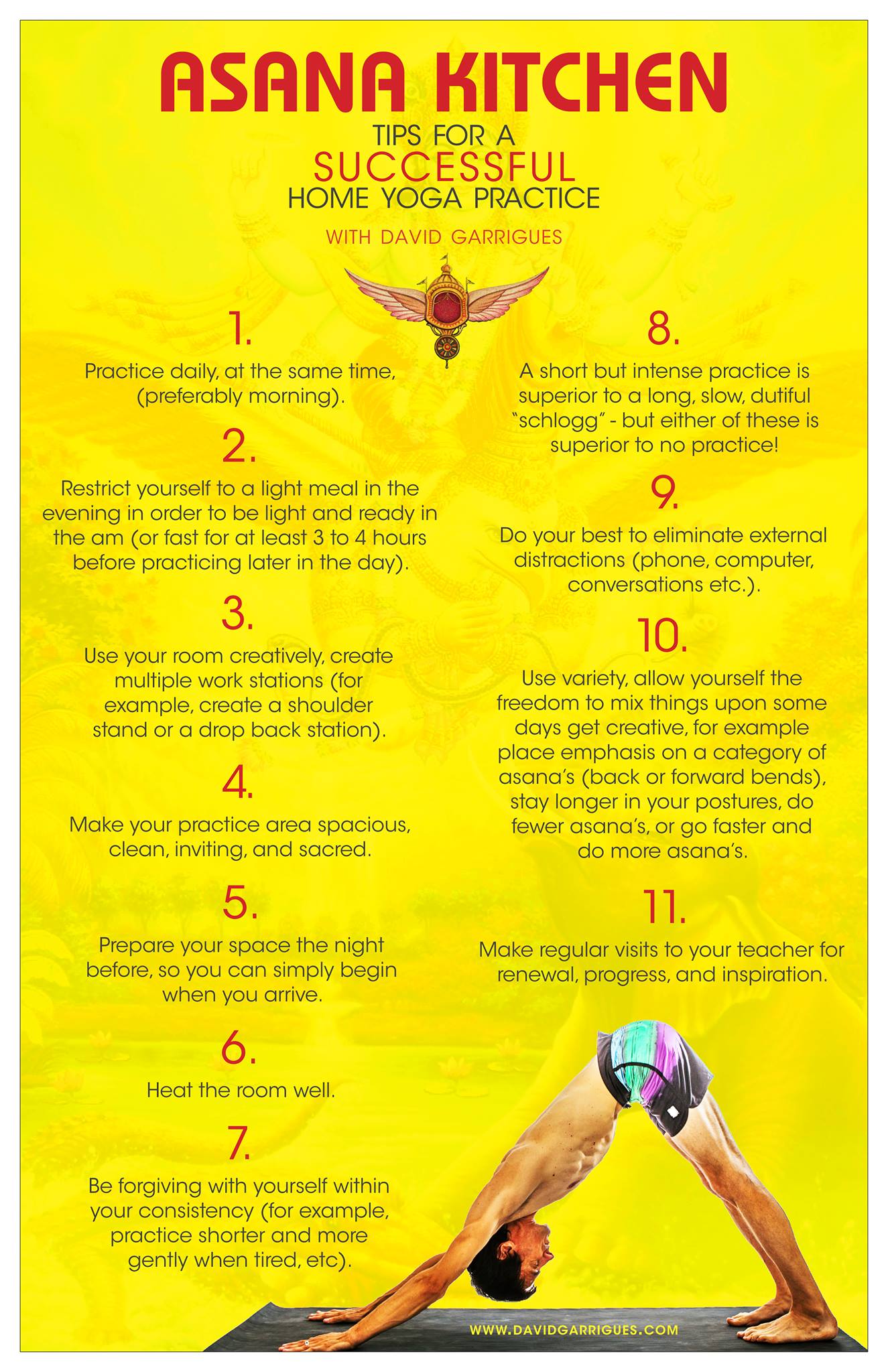
Tips for a Successful Home Yoga Practice by David Garrigues

11703243_964185176934936_9209587047606379042_o

Posted in Ashtanga Vinyasa Yoga, Ashtanga Yoga | Tagged , , , , | Leave a comment

Photo’s from the Workshop with Masterji Viswanath

Hey Guys,
Finally here are some pix from the weekend workshop i attended with Masterji Viswanath on May 16 & 17 🙂
Apparently there’s more…am waiting for them to be released and then i’ll share them 🙂

If you wanna see the rest of the album, here it is: https://www.facebook.com/media/set/?set=a.759986994099792.1073741837.233141253451038&type=3

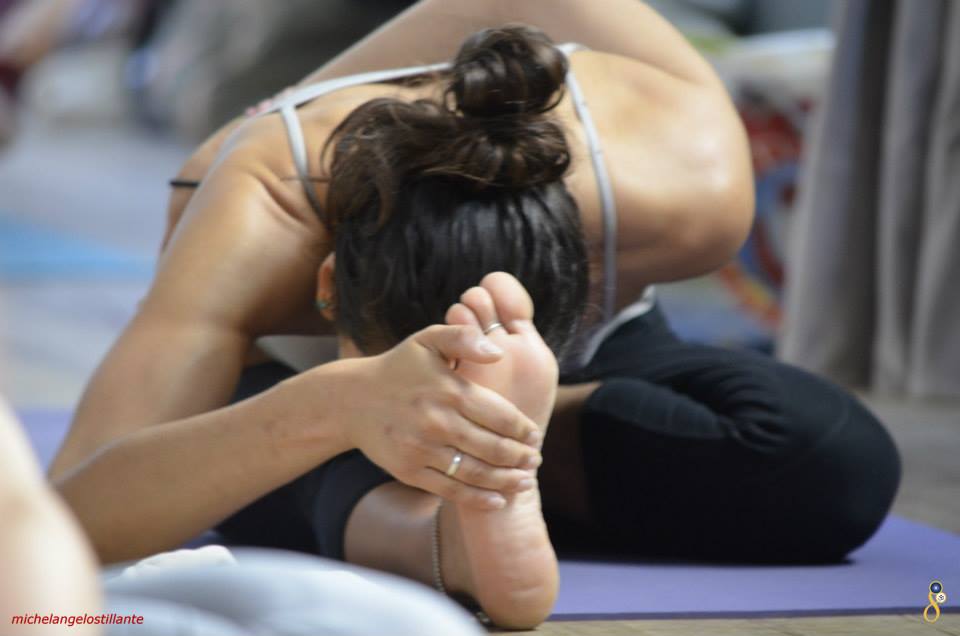
(c) Michelangelo Stillante Ardha Baddha Padma Pascimottanasana

(c) Michelangelo Stillante
Ardha Baddha Padma Pascimottanasana

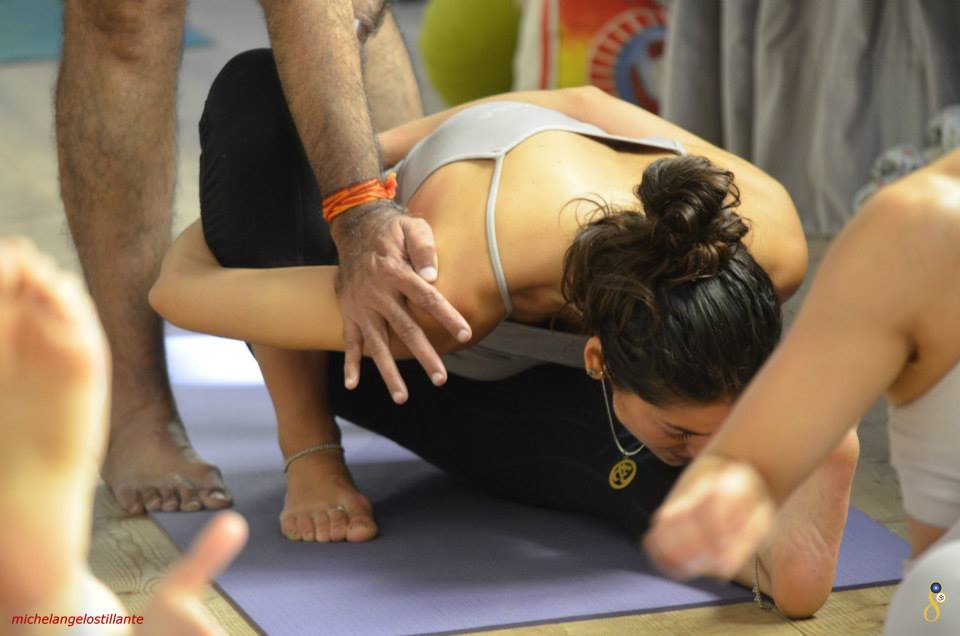
(c) Michelangelo Stillante Marichyasana A

(c) Michelangelo Stillante
Marichyasana A

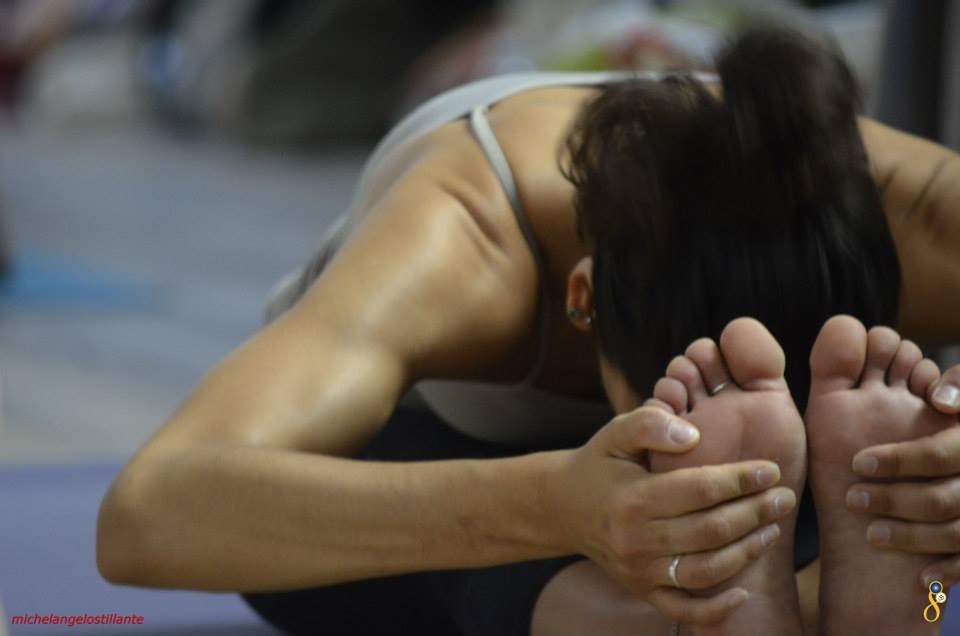
(c) Michelangelo Stillante Pascimottanasana C

(c) Michelangelo Stillante
Pascimottanasana C

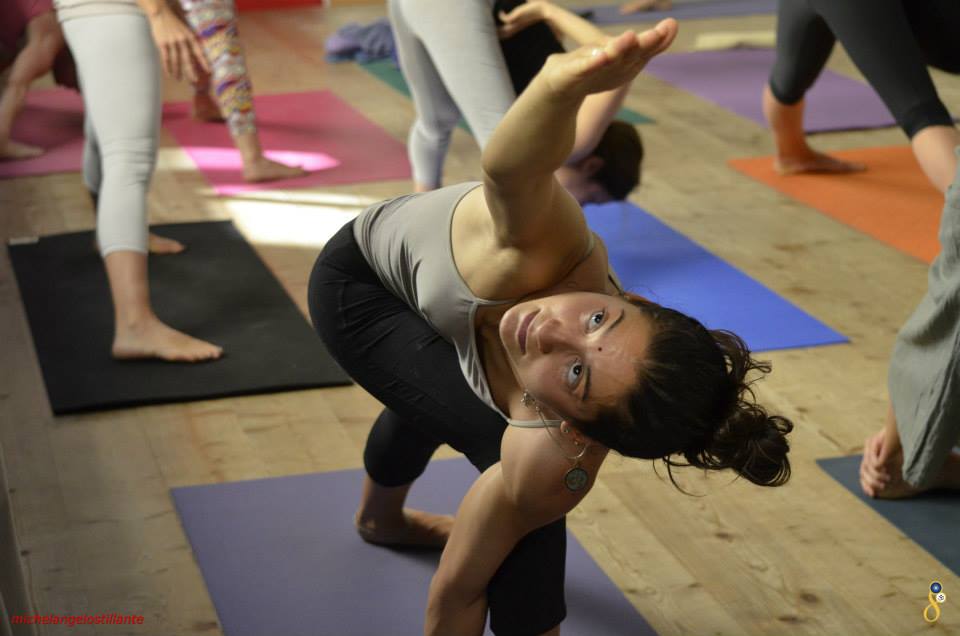
(c) Michelangelo Stillante Parivritta Parsvakanonasana

(c) Michelangelo Stillante
Parivritta Parsvakanonasana

Posted in Ashtanga Vinyasa Yoga, Ashtanga Yoga, Corsi di yoga a Milano, ctyoga, Milano Italy, workshop | Tagged , , , , , , , , | Leave a comment

Notes on the Ashtanga Vinyasa workshop with Masterji Visnawath

Over the weekend i attended Masterji Visnawath’s Ashtanga Vinyasa workshop and here are a few notes i took…
We found out the actual name of Surya Namaskar A, it’s not just A, it has a real name, “Aruna” whilst B is “Maha Saura”, but i guess A & B just had a ring to it didn’t it?
– In the 2nd and 3rd postures of the sun salutations, Uttanasana and Ardha Uttanasana – Keep palms pressing down  on mat.
– In Chaturanga Dandasana, don’t squeeze the elbows in, allow a small gap between the elbows and the sides of the body.
– In Adho Mukha Svanasana, heels down, palms down, hips up.
– Chin over the knee to lengthen the spine.
– In Utthita Trikonasana head in line with the legs.
– Relax toes – shoulders – jaw – forehead.
– In Prasaritta Padottanasana A, B, C, D – chin down to straighten back.
“Never, never a yogi should look unwell” – Masterji Visnawath
“Always a person who does yoga should have a smiling face” – Hatha Yoga Pradipika
Understand your own body – Yoga is a practice of Freedom.
The Origins of Yoga
In the Bhagavad Gita we get an idea of the origins of yoga, the BG was written 5000years ago, so the idea is that yoga is about 5000 years old, but actually yoga is much older than that.
1st Guru of Yoga is Shiva, and by chanting Om we are evoking Shiva.
We pray to Patanjali – our present day Guru.
Teachings appeared in the Vedas – Upanishads.
Patanjali wrote the sutras for present-day teachers – very abstract.
Darshana – this is a sort of vision
– 6 schools all have the same goal of Liberation
“Yoga Darshana” by Patanjali
Jnana (knowledge), Karma (action) & Bhakti (devotion) Yoga.
Detached from the outcome = Liberation.
infraMysore style is the best way to learn.
The Teacher is the best prop in the class.
Vinyasa is the highest level of learning asanas.
People were practicing yoga before Patanjali wrote “The Yoga Sutras”.
The knowledge you get from self-practice is best.
Yoga is to control the Mind.
Yoga Chitta Vritti Nirodha:
– Chitta is more than just the mind, it’s also manas (->collects), buddhi (->intellect), ahankara (->ego)
– Vritti – fluctuations, the activity/modifications of chitta
– Nirodha – not just merely control, modification from one state to another.
Firm practice: regular & continuous – 6 days a week = quick results.
Practice without expectations, dis-attachment.
Never Stop Practicing!
There’s a few last things that Masterji said that have stuck – pain in the joints/body is due to cheese.
Practice changes based on age:
one should start yoga at the age of 8, not before.
8-13year – light practice (in this phase the body goes thru lots of physical changes)
13-16 (sometimes even 18years) – not too many backbends
from 20years everything can do – until about 50/65years, then again practice should change…i.e. at the age of 80 it might not be a good idea to do a headstand etc.
Rigid students should practice as much as possible – repetition helps open up.
~*~ There’s a few more notes on Pranayama which i will add in a few days – so check back in! 🙂
Posted in Ashtanga Vinyasa Yoga, Ashtanga Yoga, Corsi di yoga a Milano, Milano Italy, workshop | Tagged , , , , , , , , , , , , , , , , , , , , , , , , , , , , , , , , , , , , , , , , , | Leave a comment